
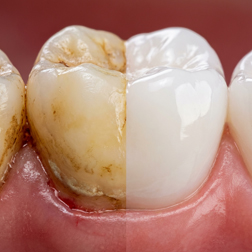
A bright, white smile is something most of us want. But between morning coffee, evening wine, and the general business of life, keeping teeth looking their best can feel like an uphill battle. Fortunately, achieving a whiter smile doesn’t always start with a whitening kit or an expensive procedure. More often than not, it starts with the habits you build every day.
Here’s what you need to know about what stains teeth, how to prevent them from developing, and what options are available when you are ready to take things a step further.
What Causes Teeth to Stain or Discolor?
Not all tooth discoloration is the same, and understanding which type you are dealing with is the first step toward finding the right solution. Dentists generally categorize staining into two types:
Extrinsic stains form on the outer surface of the enamel and are typically caused by what you eat, drink, or smoke. Coffee, tea, red wine, dark berries, tomato-based sauces, and tobacco are among the most common culprits. Even some “healthy” foods like balsamic vinegar, soy sauce, and certain fruit juices can leave their mark over time.
Intrinsic stains go deeper, affecting the tooth’s inner structure. These can result from aging, certain medications, excessive childhood fluoride exposure, or tooth trauma. They are harder to address with surface-level whitening alone and may require a professional evaluation.
Daily Habits That Help Prevent Stains
When it comes to the best habits for a whiter smile, you don’t need a complicated routine. Just small, consistent habits to prevent yellow teeth from becoming a bigger problem down the road:
- Brush at least twice a day, ideally after consuming staining foods or beverages. Use a soft-bristled brush and fluoride toothpaste to protect enamel while removing surface buildup.
- Floss daily. Plaque that accumulates between teeth makes staining worse and harder to reverse over time.
- Rinse with water after coffee, tea, or dark-colored drinks. It’s a simple habit that makes a real difference.
- Use a straw for beverages like iced coffee, tea, and dark sodas to minimize contact with the front of your teeth.
- Avoid tobacco in any form. Smoking and chewing tobacco are among the leading causes of stubborn, deep tooth staining, and the effects go well beyond cosmetics.
- Don’t skip professional cleanings. Tartar buildup makes stains set in faster and deeper. Regular cleanings are the most effective way to stay ahead of discoloration.
Foods That Naturally Support a Brighter Smile
Preventing stains is not only about what you avoid. Some foods actively support a brighter, healthier smile:
- Crunchy fruits and vegetables like apples, carrots, and celery act as natural scrubbers, gently removing surface buildup as you chew.
- Dairy products such as cheese and yogurt are rich in calcium and casein, which help strengthen enamel and reduce acid erosion.
- Strawberries contain malic acid, a naturally occurring compound that can help brighten enamel. However, you should rinse or brush afterward.
- Leafy greens are packed with minerals that support enamel health
- Water is your best all-day ally, rinsing away food particles and bacteria before they have a chance to stain.
Professional & At-Home Whitening Options
Even with great daily habits, some staining needs a little extra help. The good news is that there are options at every level:
Whitening toothpastes and over-the-counter strips can help with mild surface staining, though results are typically subtle and temporary. They work on extrinsic stains only and will not change the natural color of your teeth.
Custom take-home whitening trays offer a stronger, more consistent result. Because they are custom-fitted to your mouth, the whitening gel reaches evenly and reduces the risk of sensitivity.
In-office whitening treatments deliver the fastest and most dramatic results, supervised by a dental professional for safety and precision.
For patients looking for a more natural approach, ozone therapy is a chemical-free option that uses oxygen to eliminate bacteria and support a healthier oral environment, which can contribute to a brighter overall appearance. It’s worth asking about during your next visit.
The right option depends on the type and severity of your staining, your sensitivity levels, and your goals. A conversation with your dental provider is always the best starting point.
When to See a Dentist
Some discoloration is a signal worth paying attention to. If your teeth are yellowing despite consistent oral hygiene, you’re noticing gray or brown spots, or you’re experiencing sensitivity while whitening, it’s time to schedule an evaluation.
Discoloration after a dental injury, sudden changes in tooth color, or staining that appears to come from within the tooth rather than the surface can all indicate something beyond cosmetic issues, such as enamel erosion, early decay, or other underlying issues that require professional attention.
At Tredi Dental Group, our team can help you determine whether discoloration is purely cosmetic or a sign of a condition that needs treatment first. Either way, we’ll help you find the most effective, comfortable path forward. Schedule an evaluation with Dr. Tredinick today.